Industry News
ICM News Dec 2025
Dec
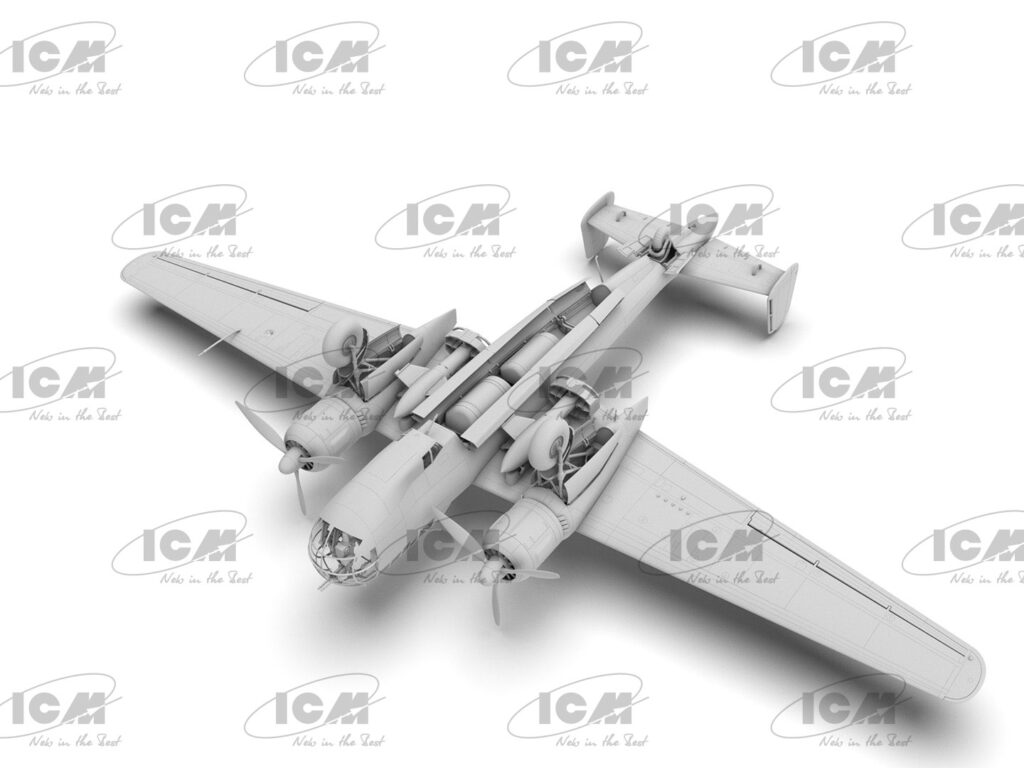
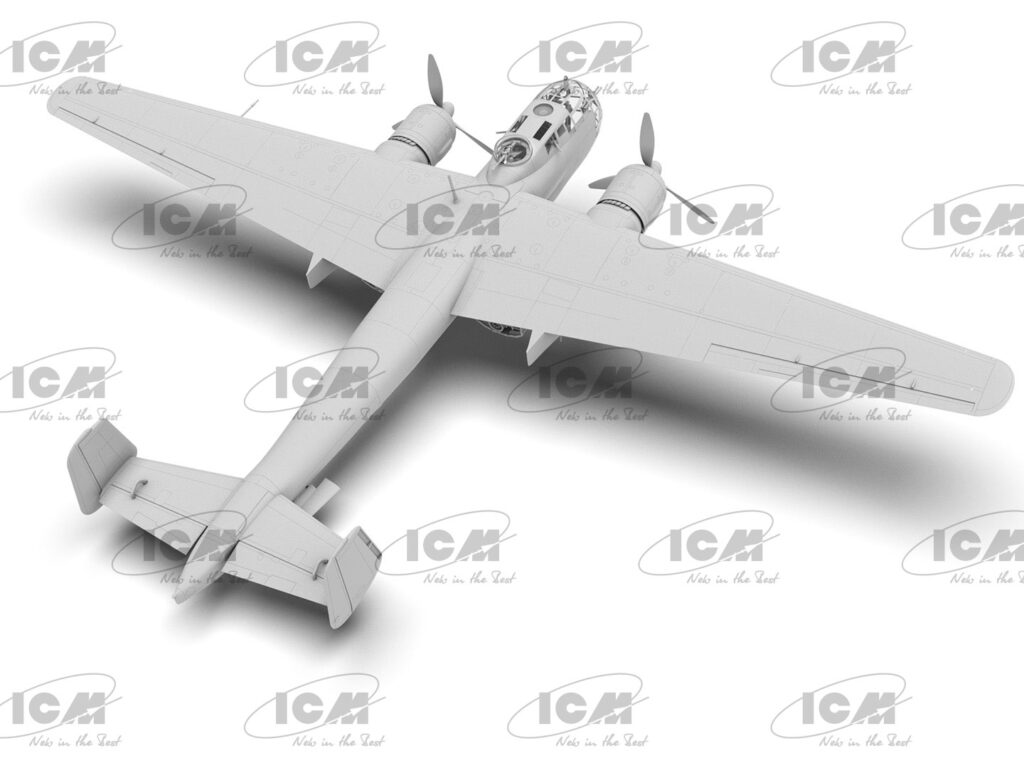
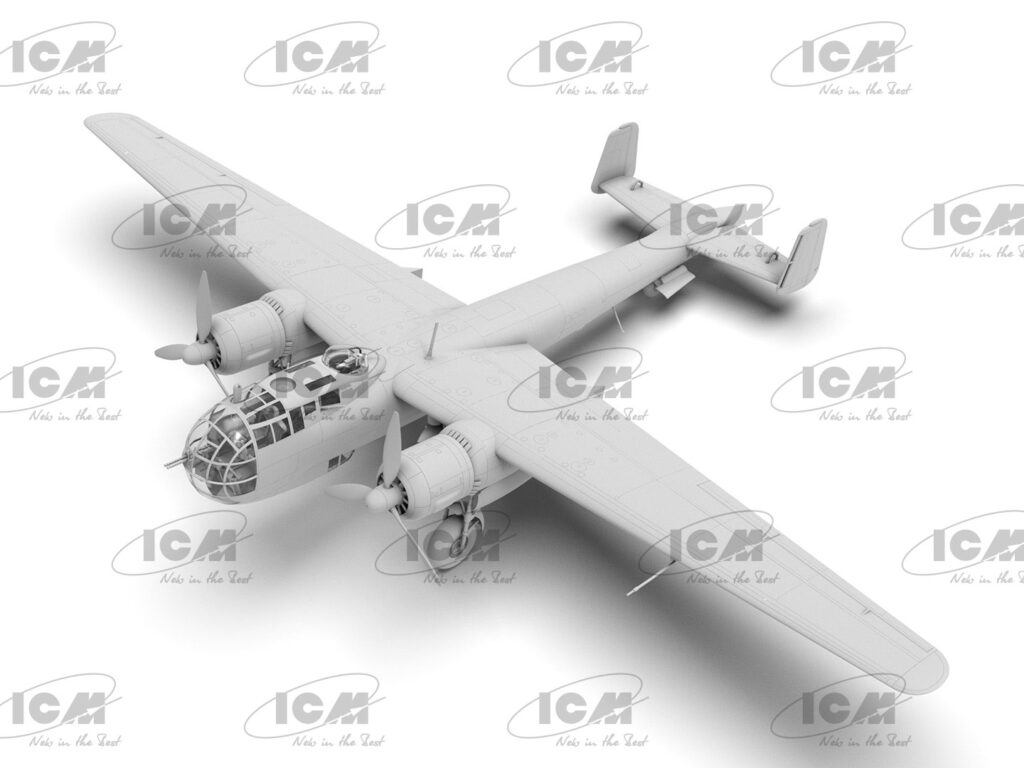
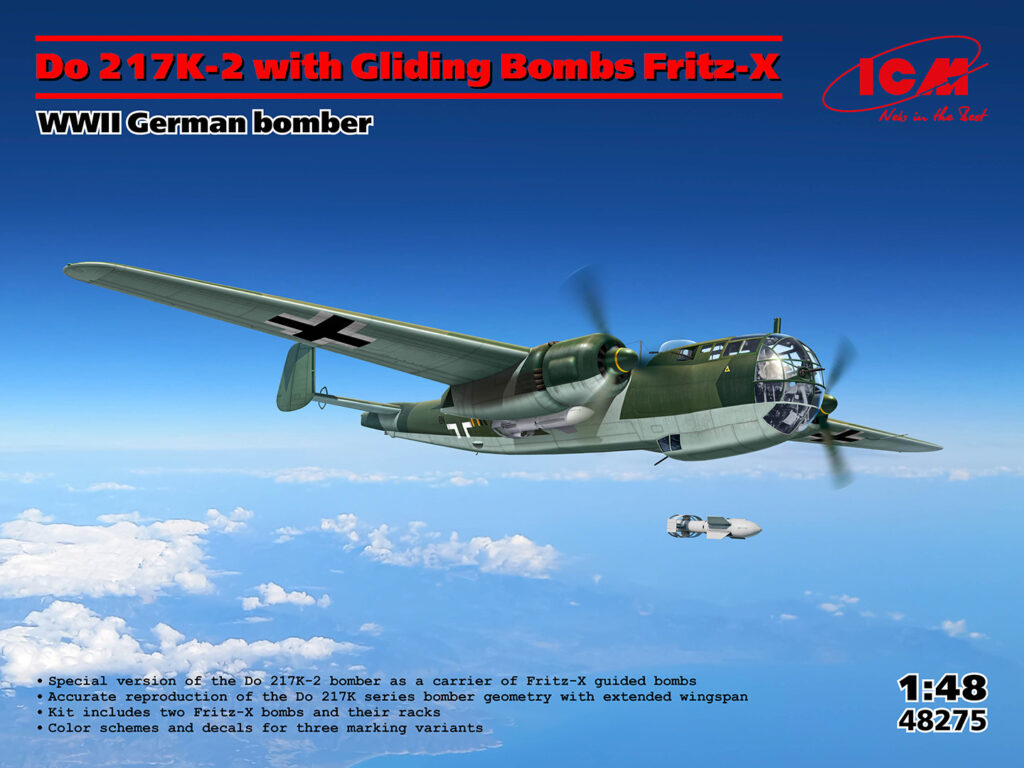
1/48 Do 217K-2 with Gliding bombs Fritz-X
The Do 217K-2 was developed as a version of the Do 217K-1 bomber designed to carry the Ruhrstahl SD 1400 X guided bomb, also known as Fritz-X. The key modification was an extended wingspan of nearly 25 meters – necessary to handle the significantly increased combat load, as a single guided bomb weighed 1570 kg. To preserve flight range, an additional 1160-liter fuel tank was installed in the forward bomb bay. Two special racks for the Fritz-X bombs were mounted under the wings between the fuselage and engines. The German company Ruhrstahl A.G. developed the bomb, designed by engineer Max Kramer. It was an armor-piercing glide bomb for attacking armored naval targets, with flight control from the aircraft via radio waves. The carrier bomber had to fly at an altitude of at least 4 km. The Fritz-X carried 360 kg of explosives and could penetrate 130–150 mm of armor—sufficient to destroy even battleships. The most famous use of the Do 217K-2 bomber (crew commander Major Bernhard Jope) and the Fritz-X bomb was the sinking of the Italian battleship Roma on September 9, 1943.
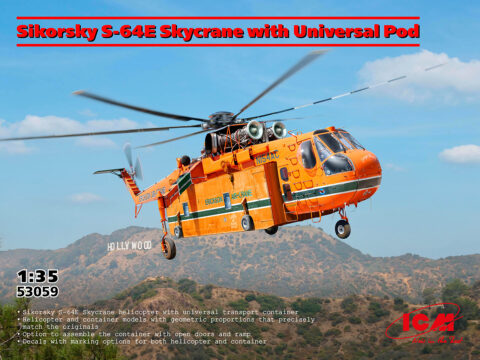
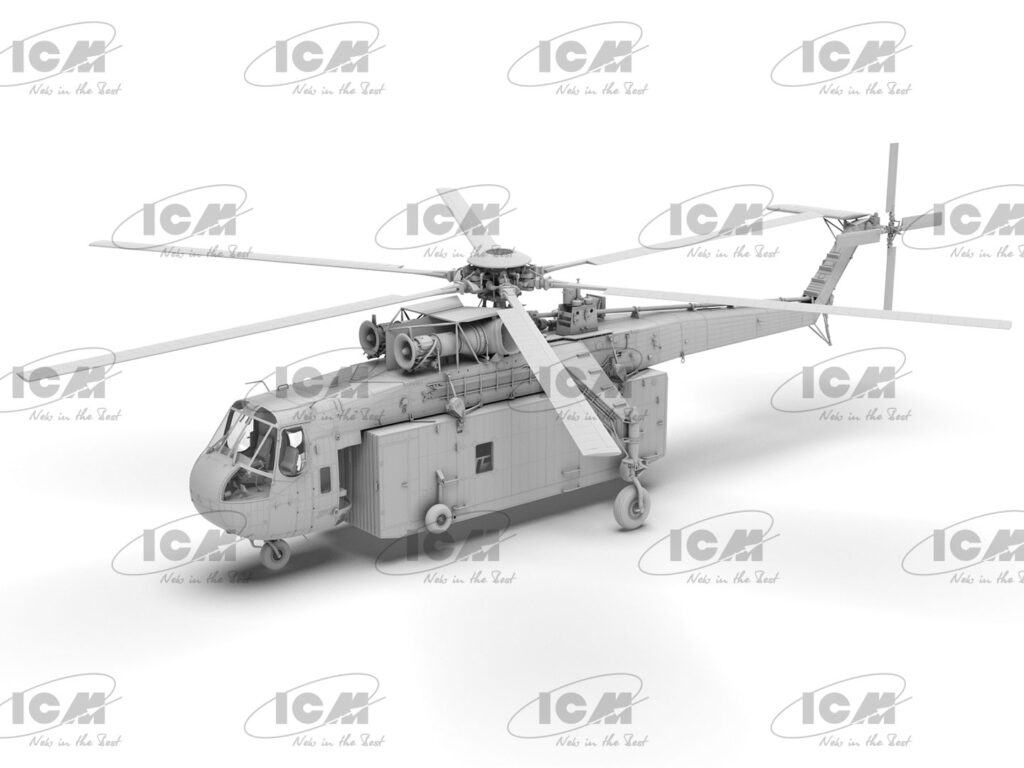
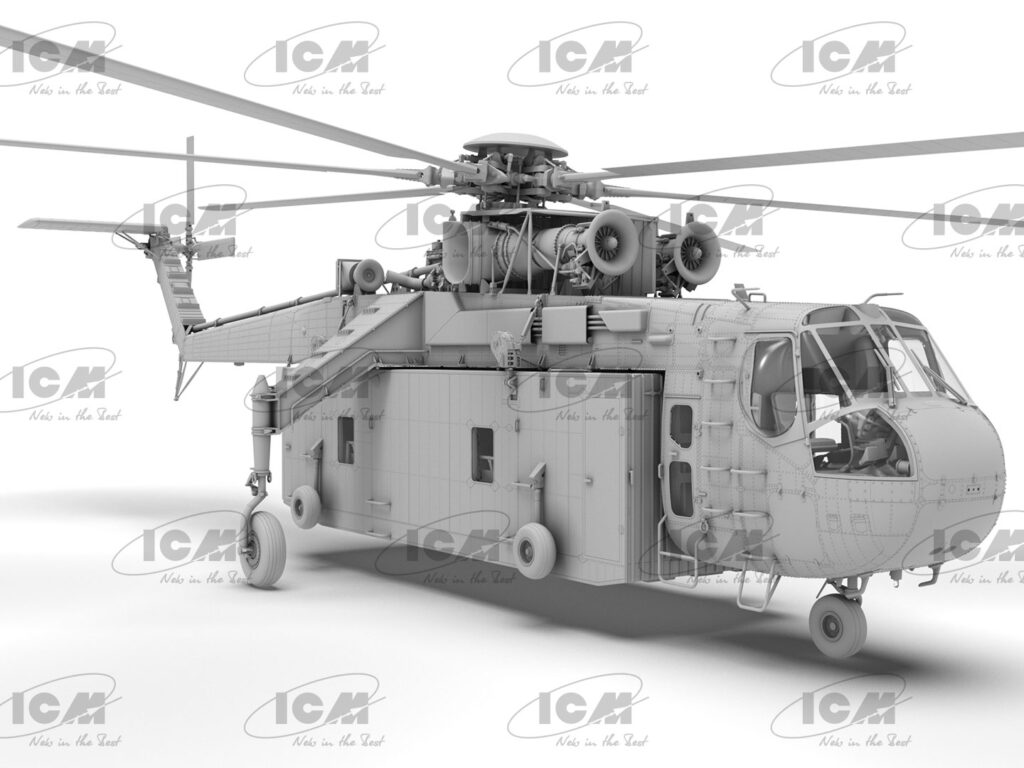
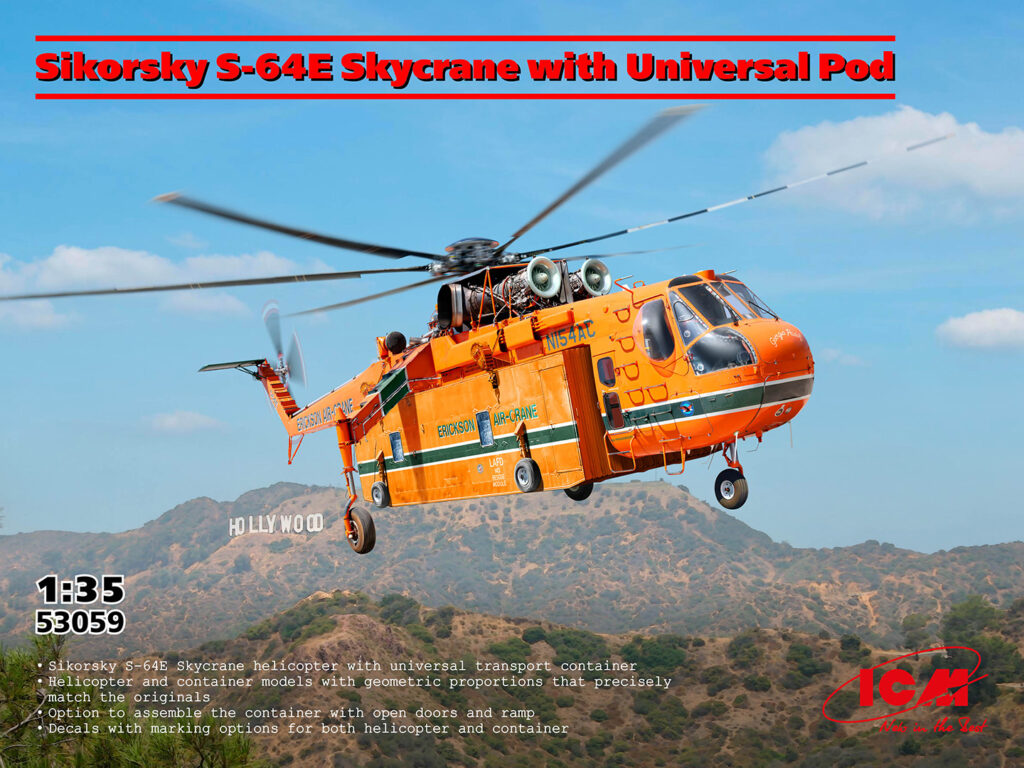
1/35 Sikorsky S-64E Skycrane with Universal Pod
The Sikorsky S-64E Skycrane is a versatile helicopter used for construction, installation work, and transporting large cargo. It also serves in rescue operations, carrying a special container adapted for rescue services. These containers were originally developed by the military for CH-54 army helicopters to expand their transport capabilities. Each container featured windows, doors, and a rear ramp, allowing it to carry military equipment such as artillery pieces or light all-terrain vehicles. The containers were even used for parachute deployment of soldiers. A total of 22 containers were built, each with its own military registration number. The containers now used with the Sikorsky S-64E Skycrane are former military units repainted in the bright orange color scheme typical of civilian S-64 helicopters.
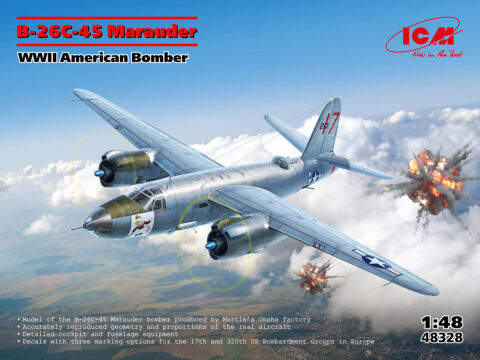
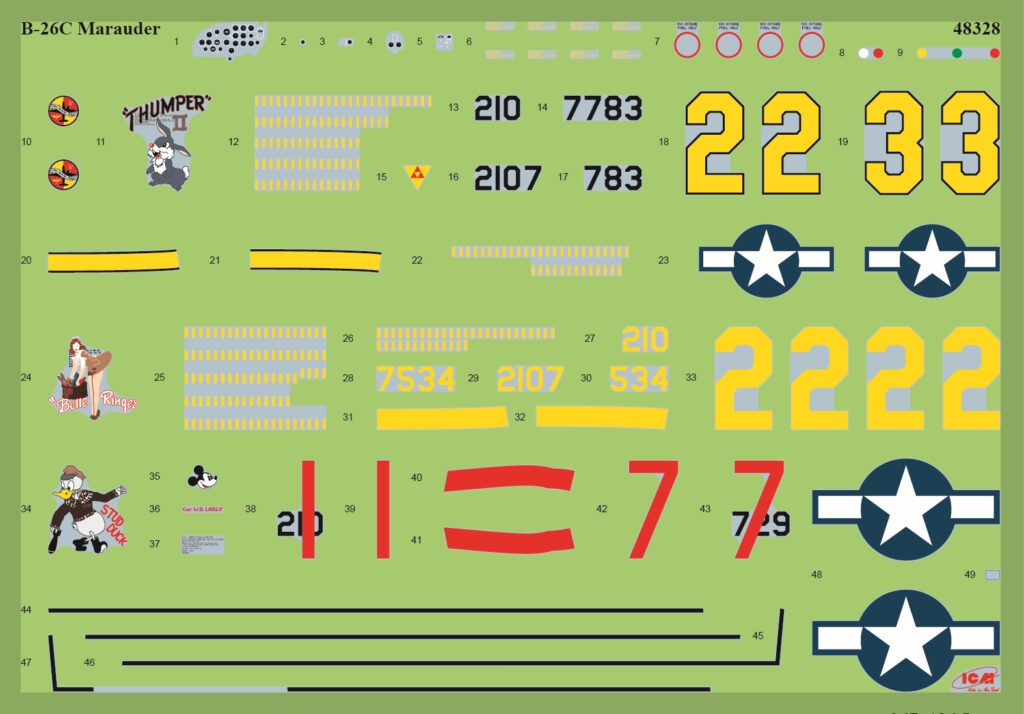
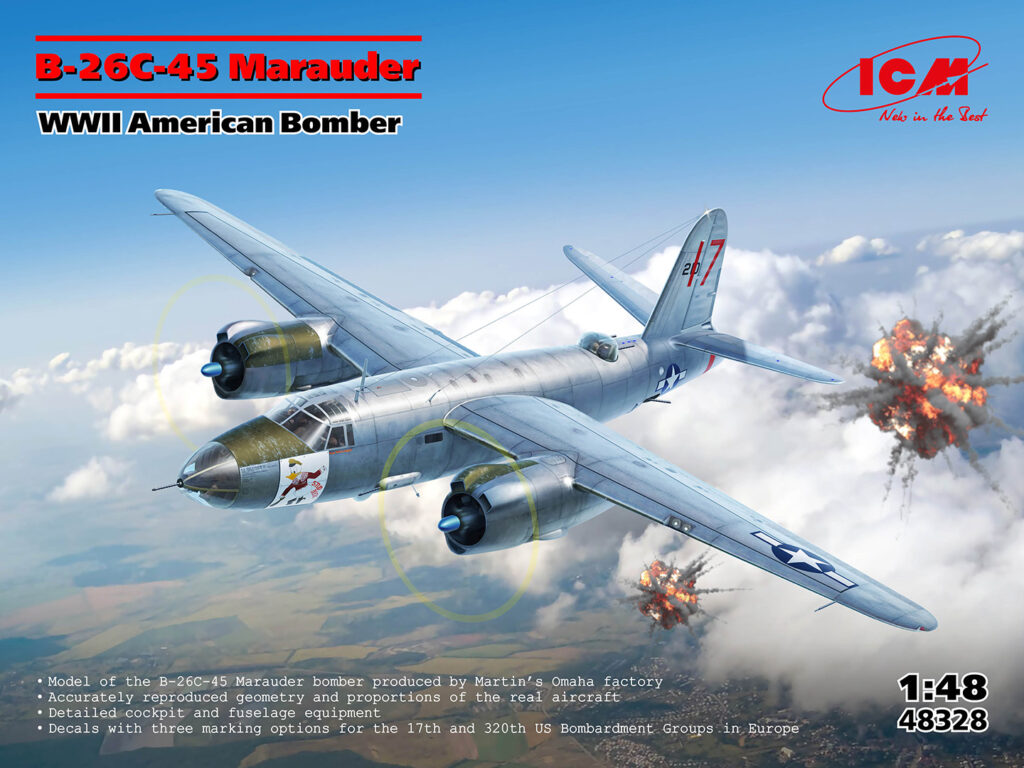
1/48 B-26C-45 Marauder
The first B-26 bomber took flight on November 25, 1940, and entered service with the US Air Force in February 1941. The B-26 Marauder was a high-wing aircraft with a spacious fuselage and a five-person crew (later expanded to seven). Throughout its operational life, the design was continuously refined to improve flight and combat performance. In 1943, the wing area and tail were enlarged—these modifications remained standard through the end of production. Demand from the US Air Force far exceeded the capacity of Martin’s Middle River plant in Baltimore, Maryland. In March 1941, production expanded to a second facility in Omaha, Nebraska. All aircraft built there were designated B-26C—structurally identical to the B-26B with minor variations. The B-26C-45 became the most produced version, with 359 units manufactured.
HobbyLink International
eBay Store