Industry News
Italeri News Oct 2025
Oct
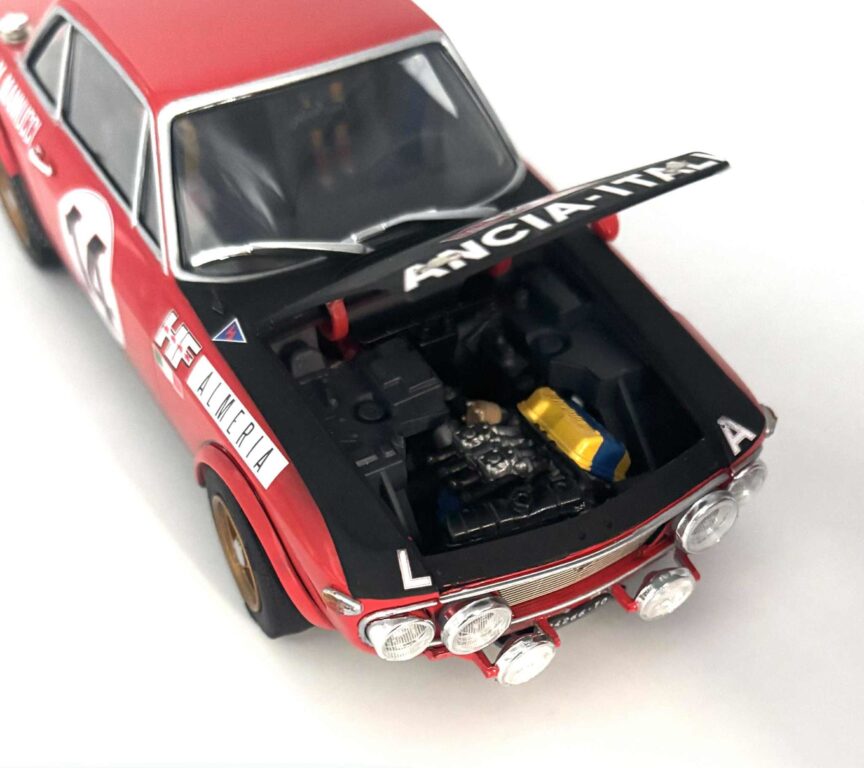
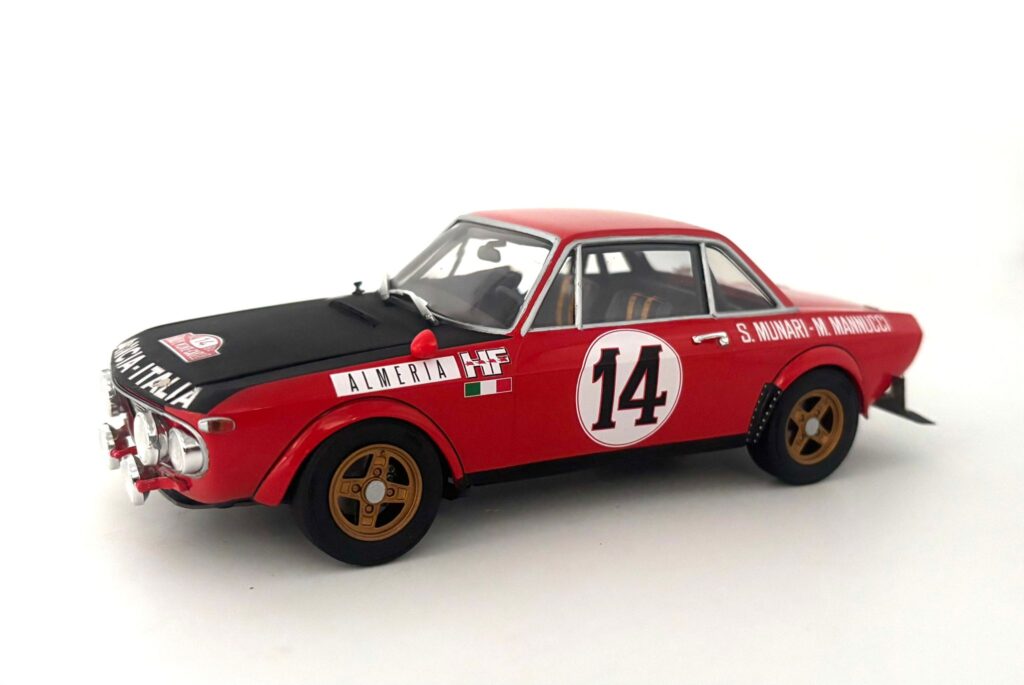
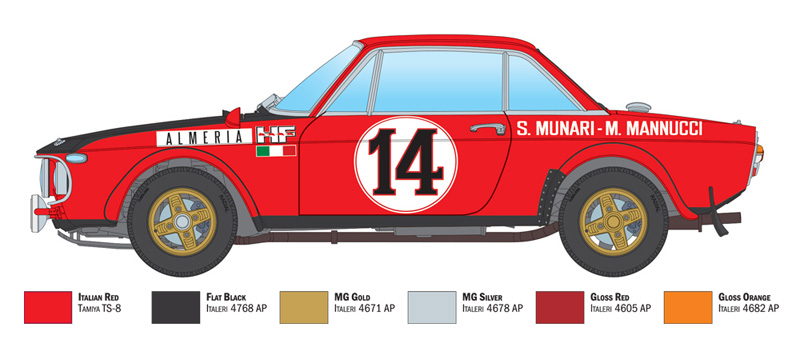
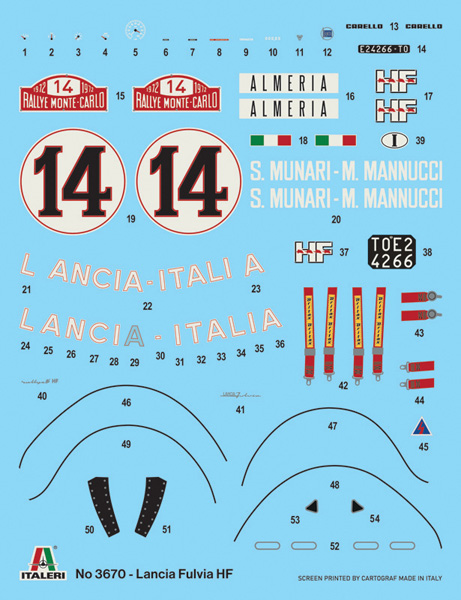
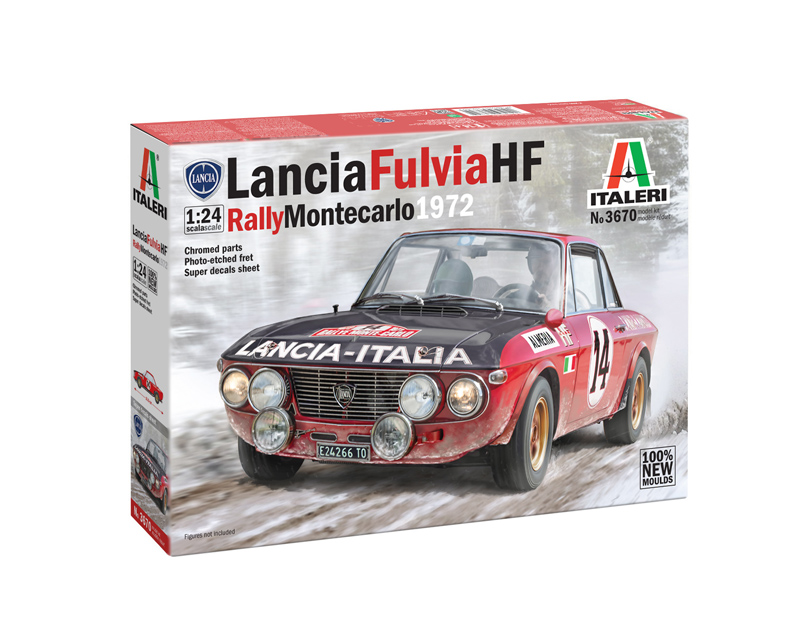
1/24 Lancia Fulvia HF Rally
100% NEW MOULDS – CHROMED PARTS – PHOTO-ETCHED FRET – SUPER DECALS SHEET – COLOR INSTRUCTION SHEET
FIGURE NOT INCLUDED
The elegant sports coupé from the renowned Italian manufacturer Lancia achieved significant commercial success in the second half of the 1960s. Its striking design, impressive performance, and excellent price-to-quality ratio were key factors in its market appeal. From the standard road-going version, the legendary Lancia Fulvia HF was developed—equipped with a longitudinal front-mounted 1,584 cc V4 engine. This model became a true icon of rally competitions of the era. The most celebrated version, which perfectly embodied both elegance and sportiness, was the 1.6 HF “Fanalone”, distinguished by its oversized front headlights. The Fulvia HF claimed numerous victories in international rally competitions, culminating in Lancia’s triumph in the 1972 International Championship for Manufacturers. Even today, the Lancia Fulvia HF is regarded as a true classic of Italian automotive design from that era.
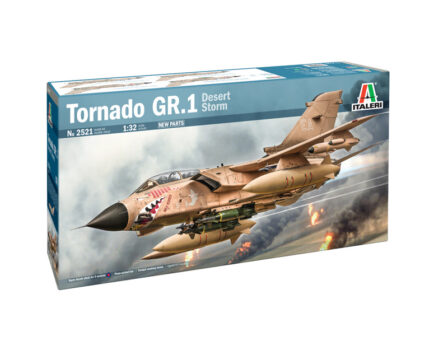
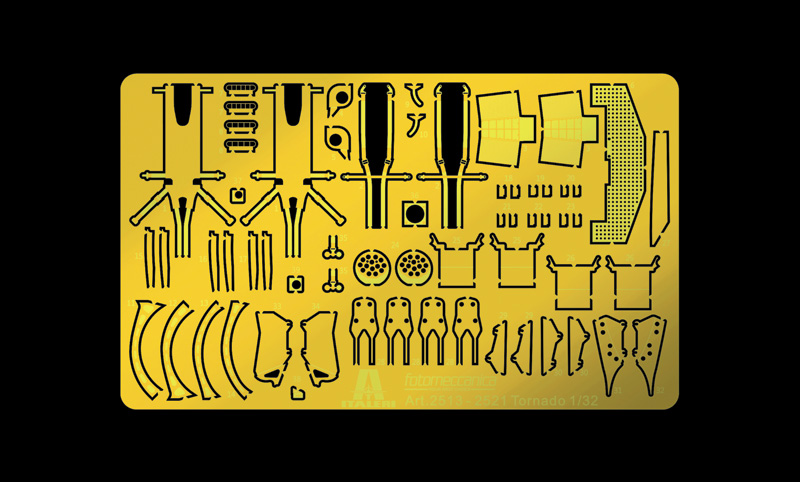
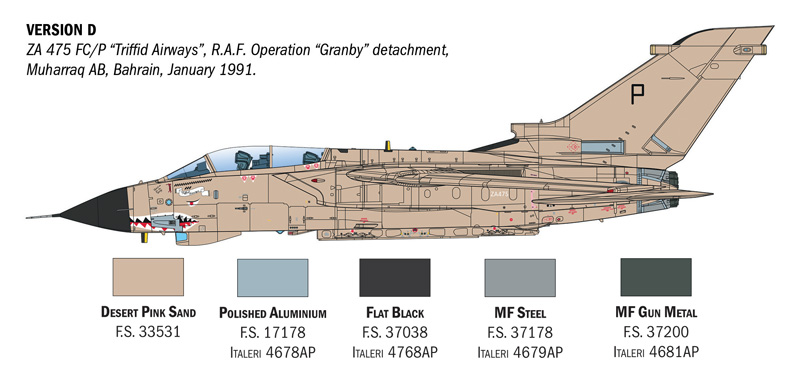
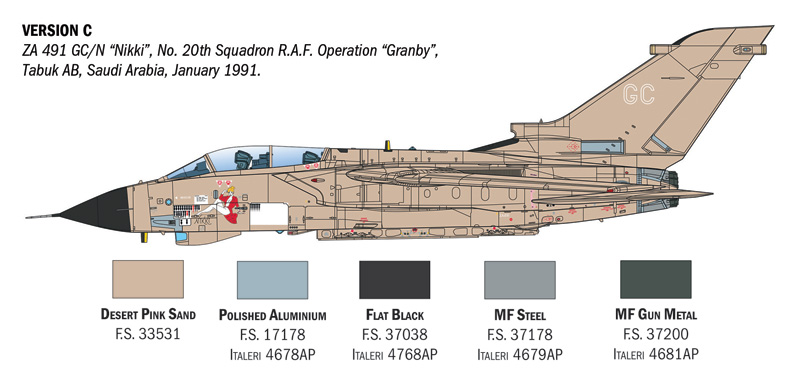
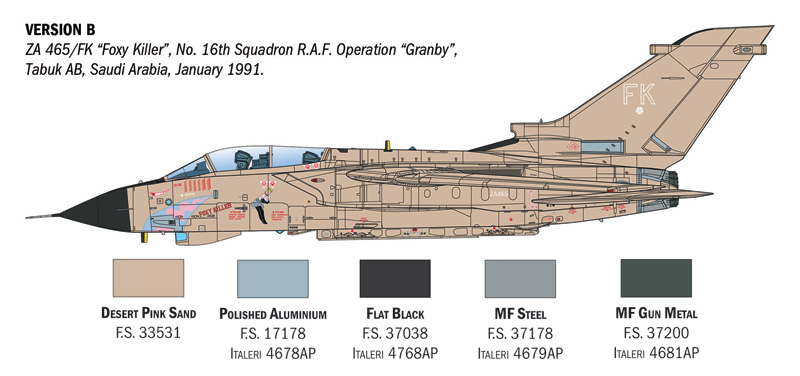
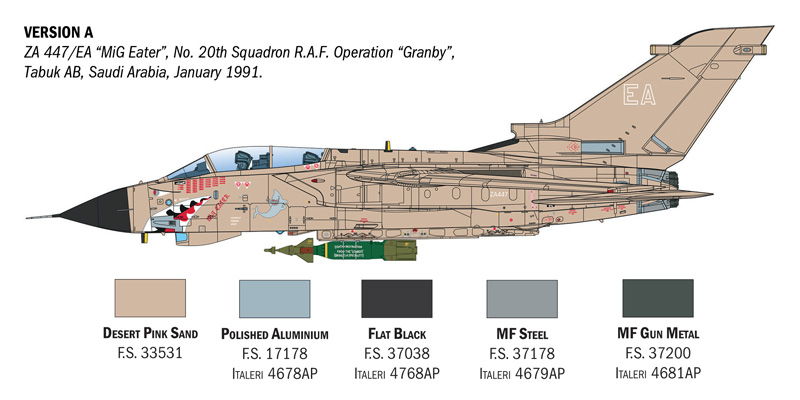
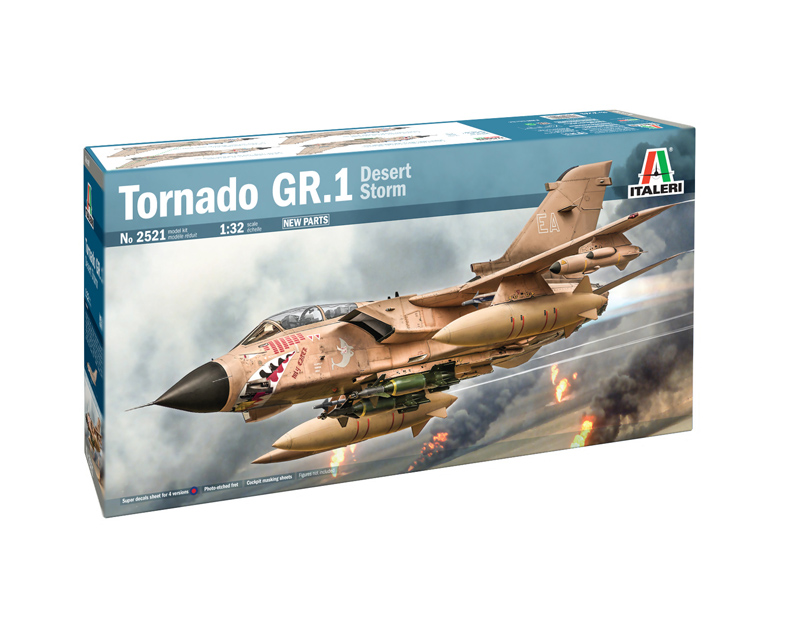
1/32 Tornado GR.1 Desert Storm
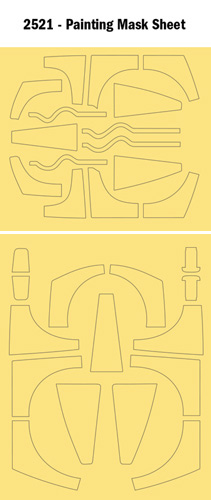
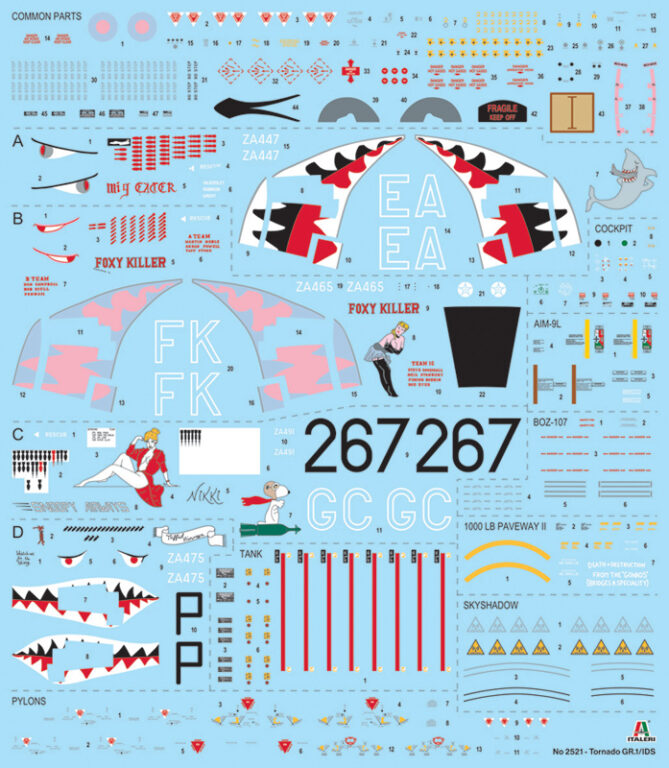
NEW PARTS – More then 350 parts – Fine Photo-etched details – Removable RB199 engine with support trolley – Retracted or extended flaps and slats – Movable ailerons – Openable radome and fully detailed radars – Open or closed thrust reversers – Open or closed air brakes – Rubber tyres – Variable sweep wings and pylons – Rubber cover for wings entry point – Color instruction sheet – Super decals sheet for 4 versions – New Mk.13/18 Peveway LGB – Cockpit Masking sheets
FIGURES NOT INCLUDED
The Tornado project was born from the collaboration between Italy, Germany, and the United Kingdom to develop a high-performance multirole combat aircraft. The result was a twin-engine, two-seat aircraft with variable-geometry wings, specifically designed to fulfill its primary role: a low-altitude supersonic strike fighter capable of “following” the terrain profile. The Tornado IDS (Interdictor/Strike), optimized for attack missions, was the first variant to enter service with the operational flying units of the three countries involved in the project. Specifically, the aircraft delivered to the British Royal Air Force were designated as the GR.1 and were actively employed—carrying out a high number of missions—during the 1991 Gulf War.
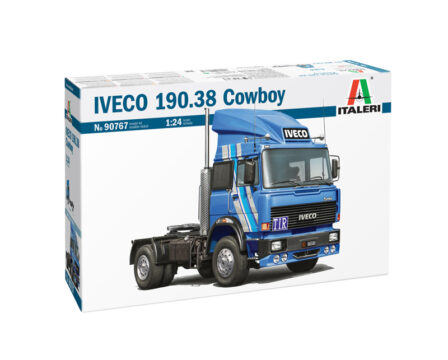
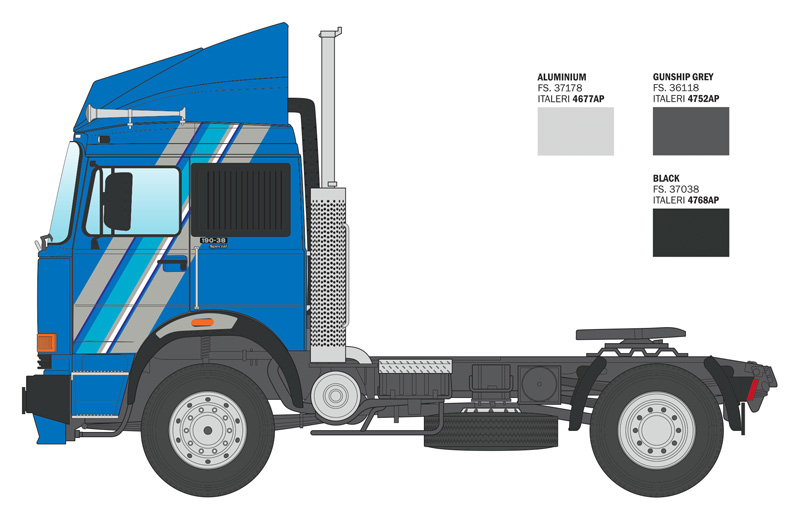
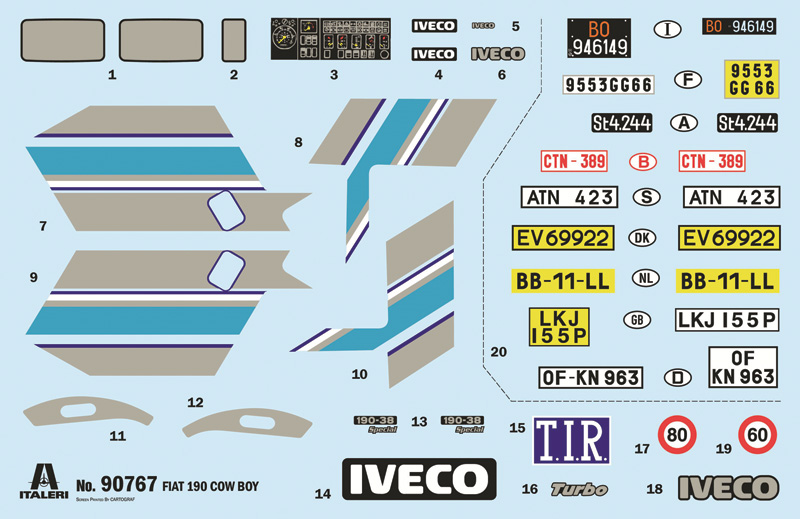
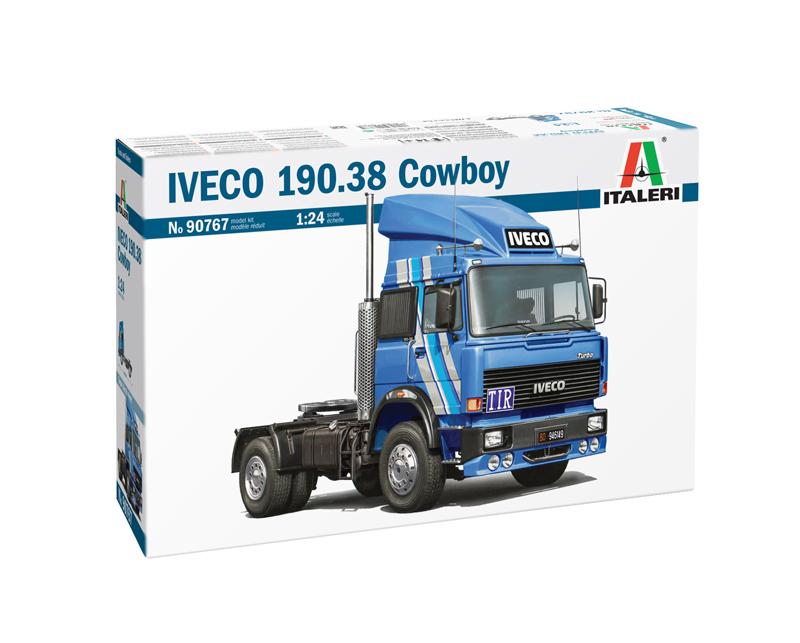
1/24 IVECO 190.38 CowBoy
SUPER DECAL SHEET – COLOR INSTRUCTION SHEET
The Turbostar was a major commercial success for Iveco. Thanks to its robustness, reliability, and performance, it gained a significant position in the European truck market and became the most widespread industrial vehicle in Italy by the late 1980s. It was produced in numerous versions and configurations to precisely meet the needs of its commercial users. The Turbostar achieved its greatest commercial success with the two-axle “road tractor” version, a segment in which it became a benchmark for road transport in the 1980s. In 1983, Iveco launched the 190.38 “Cowboy” on the market, distinguished by its eye-catching “American-style” exhaust pipes, roof spoiler, and a variety of aesthetic and onboard comfort features and options. The “Cowboy” remains one of the most attractive and sought-after trucks from Iveco’s lineup of that era.
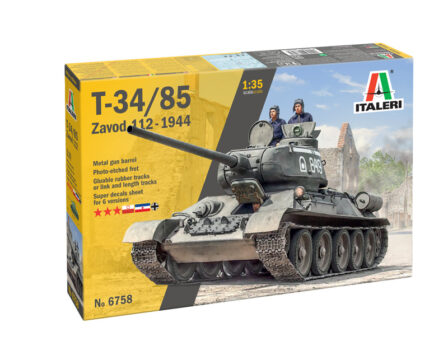
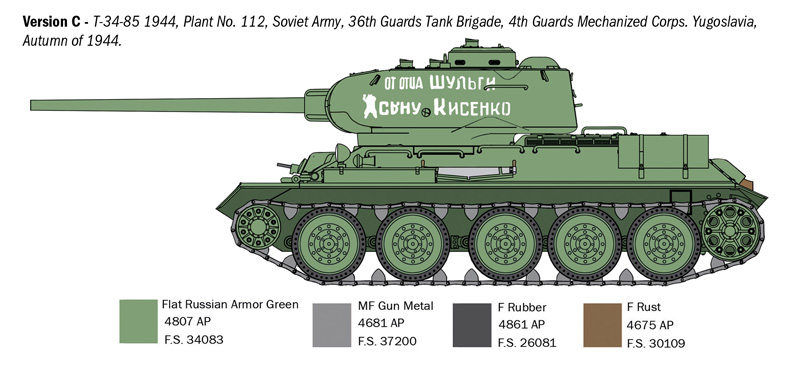
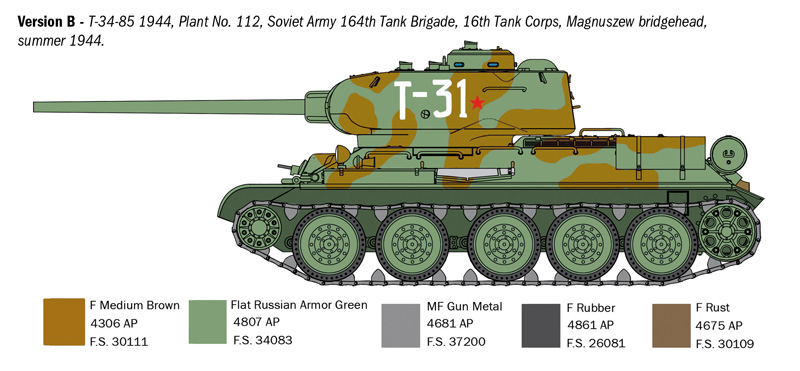
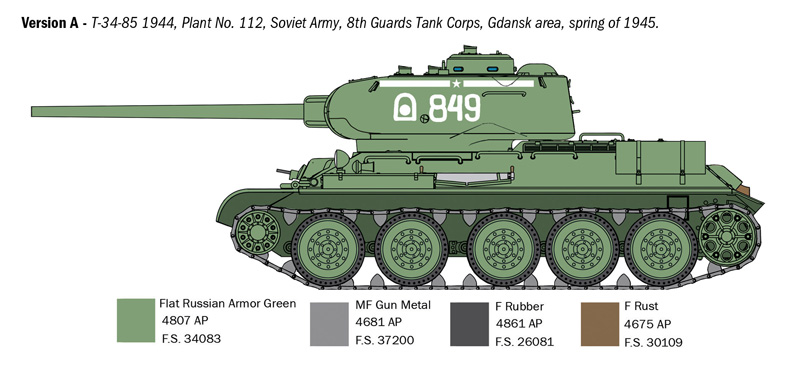
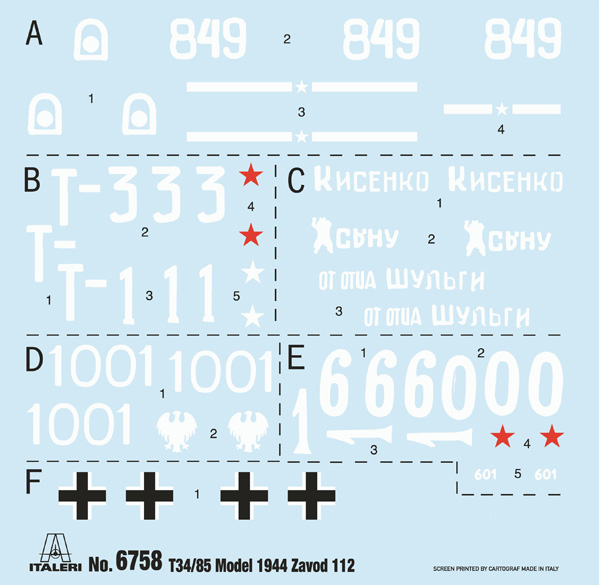
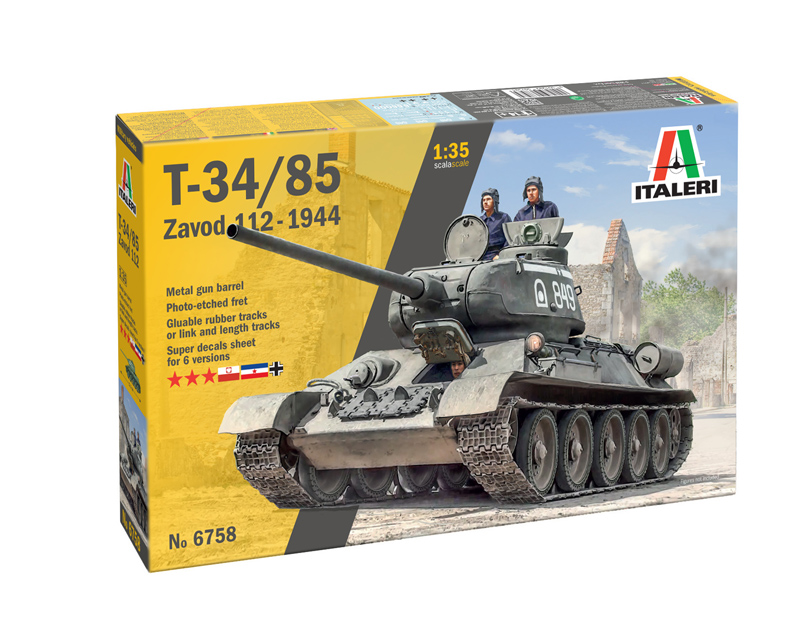
1/35 T34/85 Zavod 112 -1944
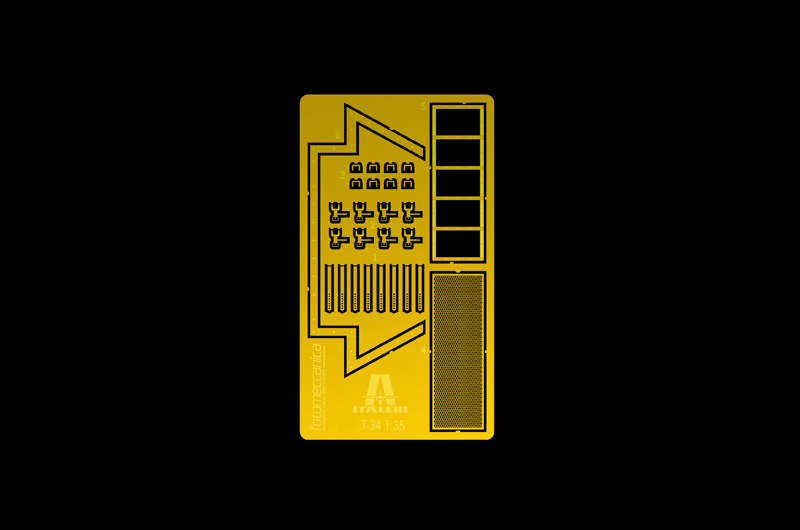
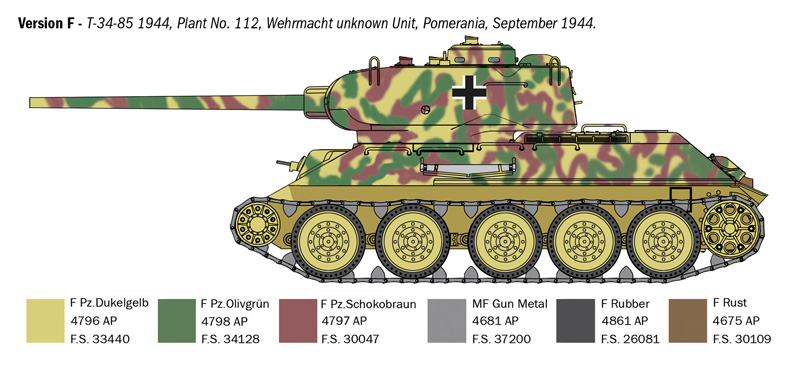
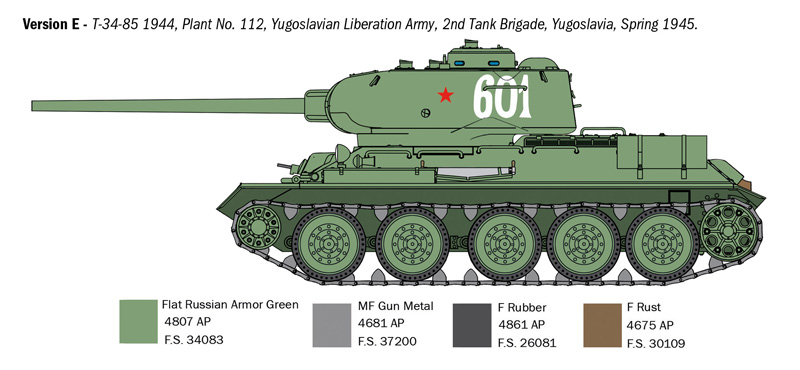
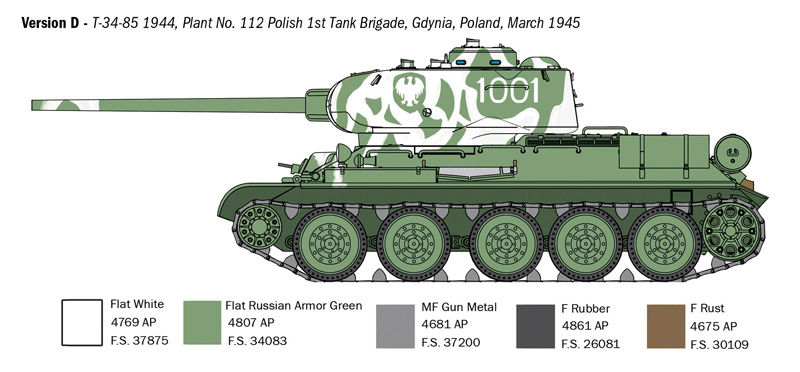
METAL GUN BARREL – PHOTO-ETCHED FRET – GLUABLE RUBBER TRACKS OR LINK AND LENGTH TRACKS – SUPER DECALS SHEET FOR 6 VERSIONS – COLOR INSTRUCTION SHEET
FIGURES NOT INCLUDED
T-34 tank is undoubtedly one of the most iconic armored vehicles of World War II and served as the backbone of the Soviet Armed Forces during the conflict. The main innovations introduced by the T-34 included the sloped frontal armor, which provided greater protection against incoming fire, and the adoption of wide tracks, ideal for achieving good mobility across all types of terrain. The first T-34s, equipped with a short-barreled 76 mm gun, quickly gained an operational advantage over the most common German tanks of the time, such as the Panzer III and Panzer IV. In 1943, the T-34 was further improved with the introduction of a completely new turret featuring thicker armor and capable of housing the long-barreled 85 mm gun. With the deployment of the first T-34/85s to armored units, the Soviet armies were able to match even the most modern and effective German tanks, such as the Tiger and the Panther.
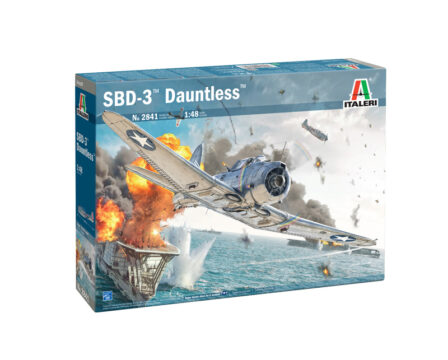
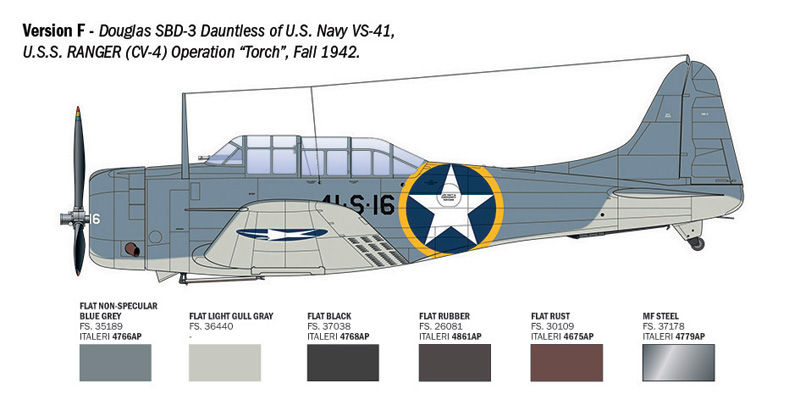
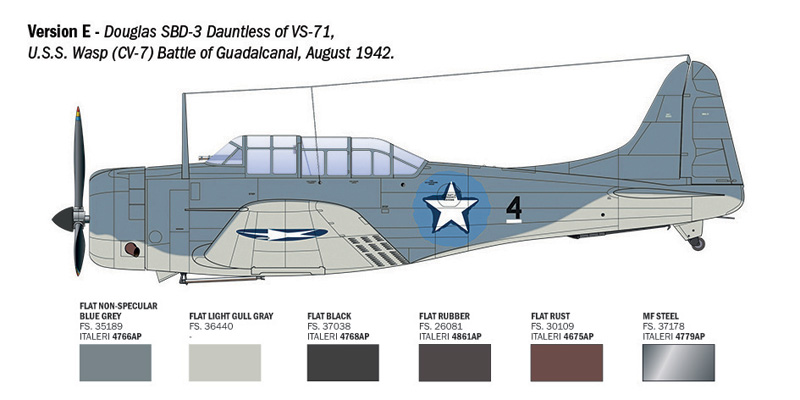
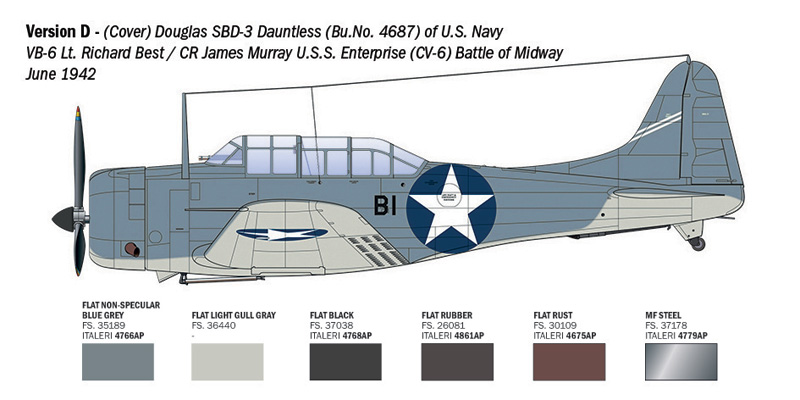
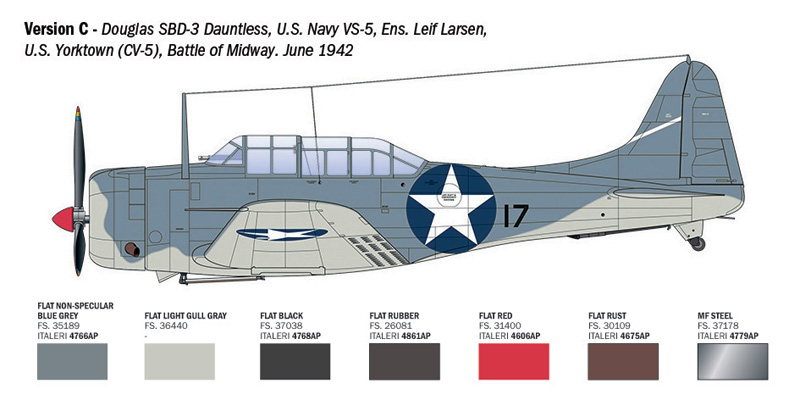
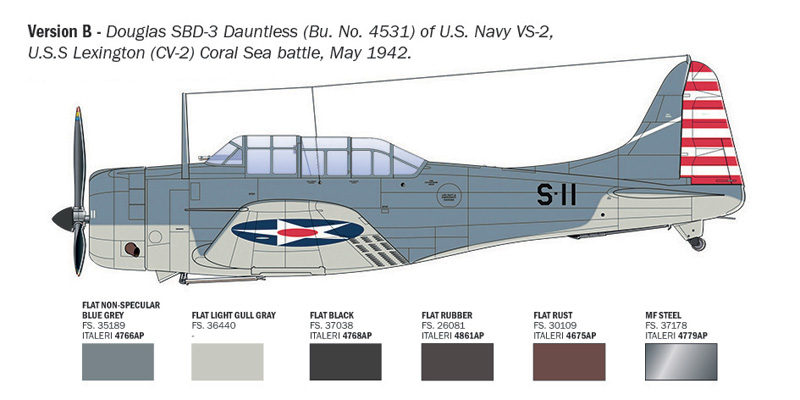
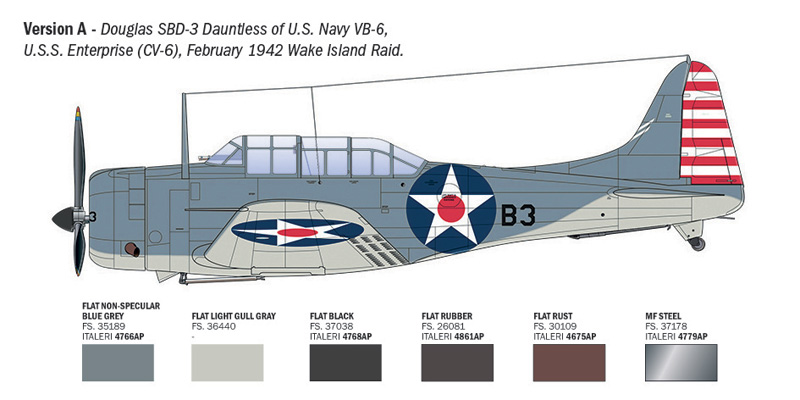
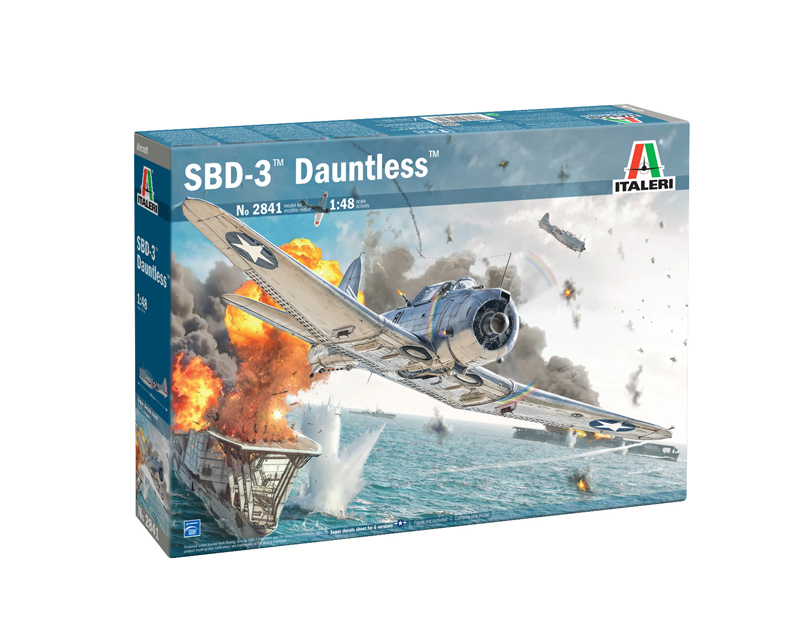
1/48 SBD-3 Dauntless
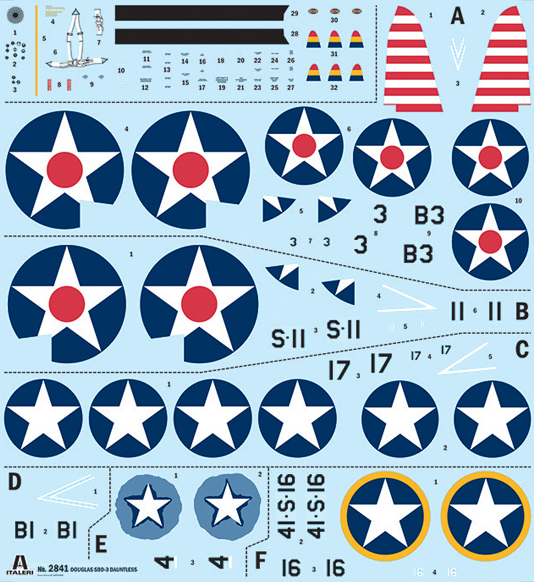
SUPER DECALS SHEET FOR 6 VERSIONS – COLOR INSTRUCTION SHEET
FIGURE NOT INCLUDED
The Douglas SBD “Dauntless” was a single-engine, low-wing aircraft and the most widely used carrier-based dive bomber by the U.S. Navy during World War II. Entering active service with American flight units in 1941, it could be employed for both reconnaissance and dive bombing missions. The SBD-3 was the true hero of the Battle of Midway (June 1942), a turning point in the Pacific War, where it played a key role in the sinking of Japanese aircraft carriers. Powered by a Wright R-1820 Cyclone radial engine, it could reach a top speed of 410 km/h (255 mph). The SBD-3 was capable of carrying nearly 2,000 kg (4,400 lbs) of bombs. It was also equipped with two forward-firing 12.7 mm (.50 cal) machine guns and two rear-facing 7.62 mm (.30 cal) machine guns. It was highly appreciated by crews for its ruggedness and solid construction.
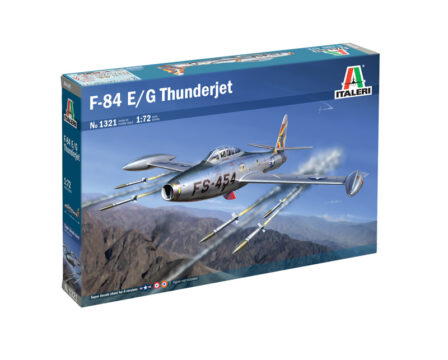
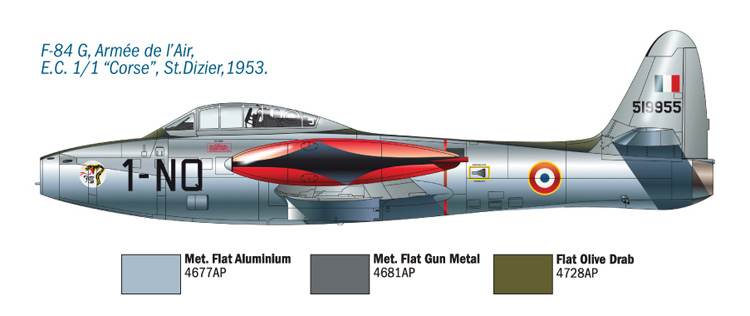
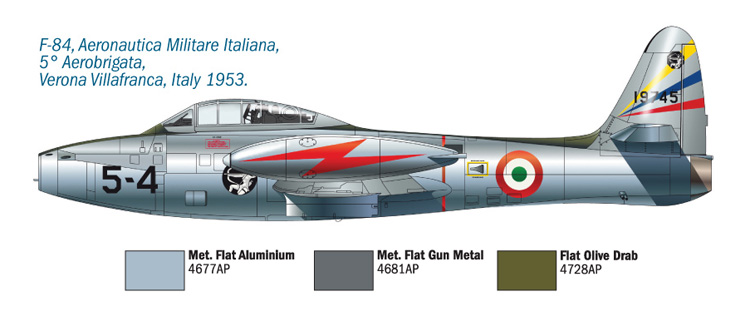
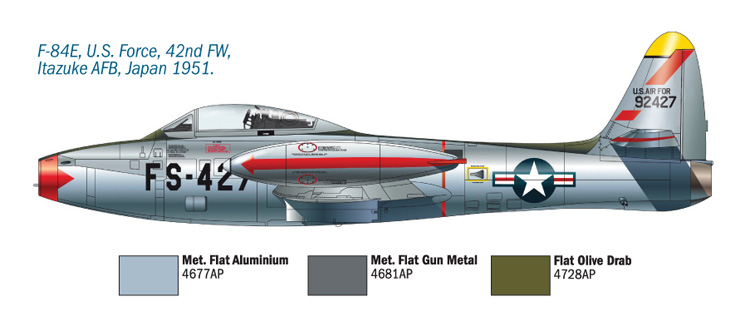
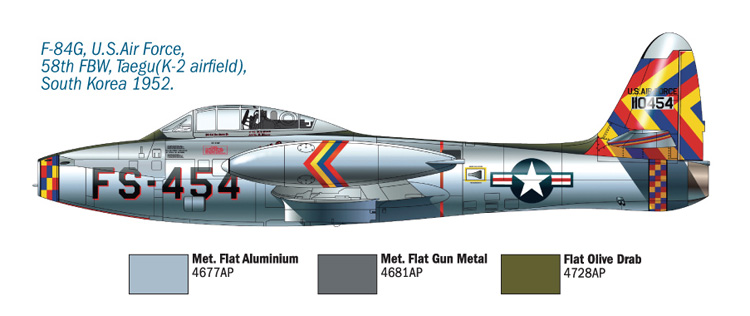
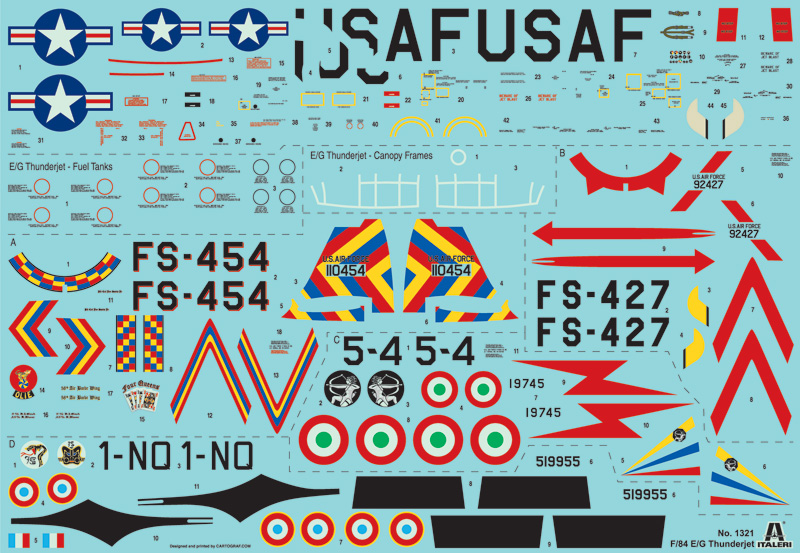
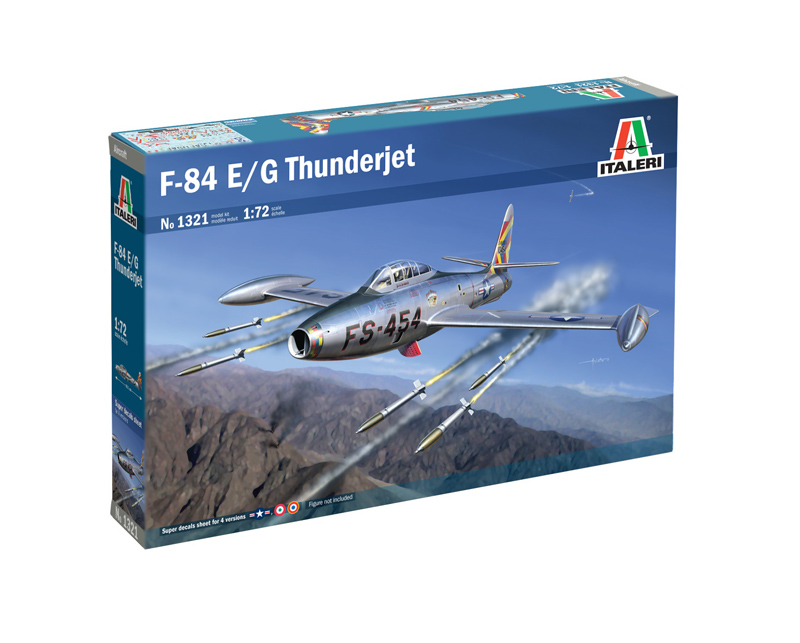
1/72 F-84 E/G Thunderjet
SUPER DECALS SHEET FOR 4 VERSIONS
FIGURE NOT INCLUDED
The F-84 Thunderjet was developed in the immediate postwar period by the American company Republic, which aimed to provide the USAF with a new jet-powered fighter-bomber design. Its aerodynamic structure was simple yet very effective and sturdy, featuring a large circular front air intake, straight wings, and a tricycle landing gear with a nose wheel. The General Electric/Allison J35 engine enabled the F-84 to reach speeds of up to 1,000 km/h. The F-84G, which entered production in 1951, represents one of the final versions of Republic’s fighter-bomber. In addition to the USAF, it was used by many NATO countries as part of the “Mutual Defense Assistance” program. Starting in 1952, it equipped several fighter units of the Italian Air Force. It was armed with six 12.7 mm machine guns and could carry an offensive load of nearly 900 kg.
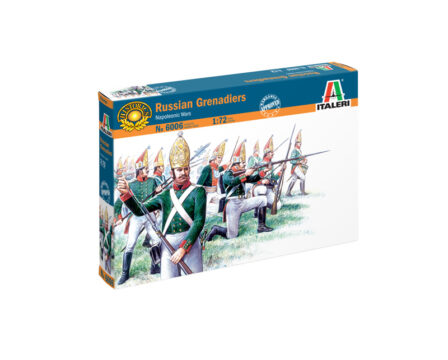
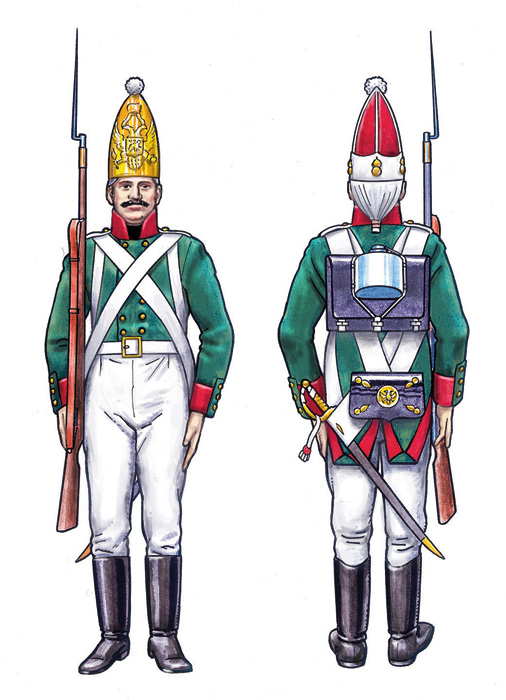
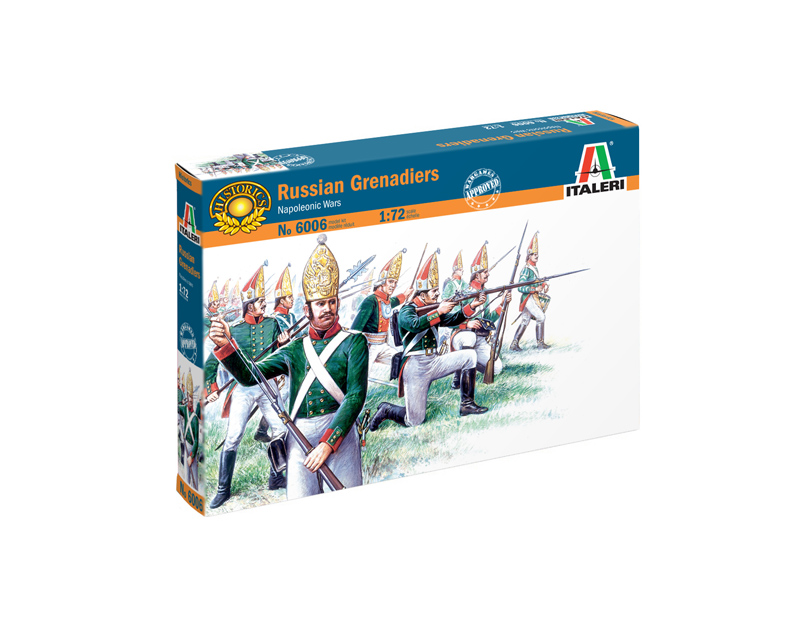
1/72 Russian Grenadiers – Napoleonic Wars
The “Pavlosky” Grenadiers Regiment, formed the most important infantry elite regiment of Czar Alexander’s Army. The soldiers were characterized by a very high stature and wore the typical caps with the frontal brass plaque. Took part, on Grande Armèe soldiers opposing front, to the main battles of the Napoleonic period : Austerlitz, Eylau, Friedland, Borodino
HobbyLink International
eBay Store